No city in Illinois understands a downpour quite like Aurora. The NWS rain gage here recorded 16.91 inches of rain on July 17–18, 1996 — the state 24-hour rainfall record, and it still stands. Remarkably, the previous record (10.58 inches in October 1954) was also set in Aurora. When a city holds the rainfall record twice over, its homeowners learn to respect water.
The Fox River bisects Aurora, and when it climbs above its 13.5-foot flood stage, trouble spreads fast: the Montgomery dam area floods, the riverfront recreation paths on the east bank go under, and basements along the corridor take on water. Add dense Chicagoland clay soil that holds water against foundations, plus neighborhoods of 1900–1929 bungalows and four-squares west of the river, and you have a city where water damage is not a question of if, but when.
That is why Rapid Water Damage Restoration Illinois keeps emergency crews ready around the clock for Aurora. From record-setting cloudbursts to a burst pipe in a West Side historic home, our IICRC-trained technicians arrive fast with industrial extraction and drying equipment — because in Aurora, minutes matter.
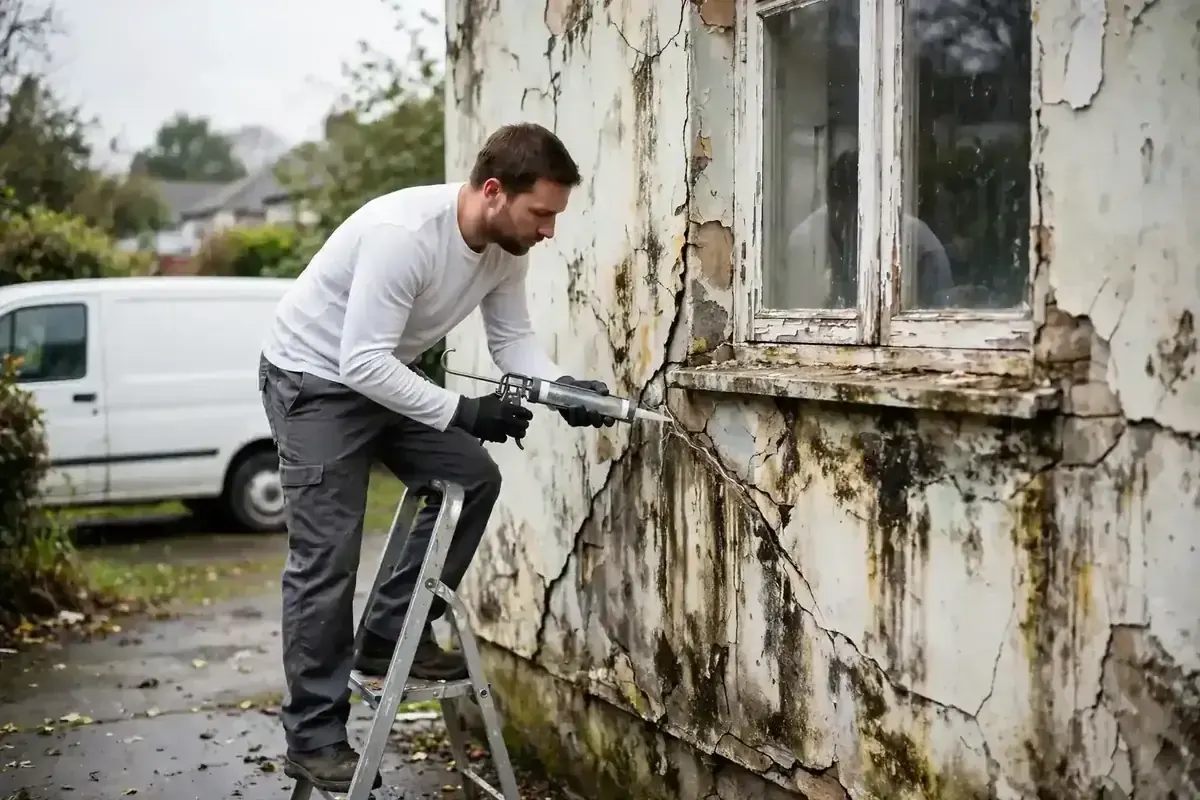
Common Causes of Water Damage in Aurora
- Record-breaking rainfall. Aurora is the benchmark: 16.91 inches in July 1996, 10.58 inches in October 1954. Events like the April 2013 floods and the 9–16 inches that fell over 18 days in September–October 1986 show how quickly both historic blocks and new subdivisions can be overwhelmed.
- Fox River flooding. When the river tops its 13.5-foot flood stage, the Montgomery dam area and the east-bank riverfront paths flood first — low-lying homes along the corridor are next.
- Dense clay soil. Chicagoland clay holds water tightly against foundations, so a long rain becomes hydrostatic pressure on basement walls.
- Burst pipes in older homes. Fox River valley cold snaps freeze pipes in exterior walls and unheated crawlspaces of pre-1970s homes, many of which still run on original copper or galvanized piping at or past its service life.
Our Aurora Water Damage Services
Water extraction
From Fox River floodwater to sump-pump overflows, we pump out standing water fast with truck-mounted extractors.
Structural drying and dehumidification
Clay-soil seepage and river humidity linger long after the water is gone; we place commercial dehumidifiers and air movers until moisture meters read dry.
Mold remediation
Damp basements and crawlspaces in Aurora's early-1900s bungalows are mold-prone. We contain the affected area, remove the growth, and treat surfaces so it does not return.
Sewage cleanup
When storms overwhelm drains and wastewater backs up, we remove it, disinfect, and dispose of it safely.
Storm damage repair
High-water damage along the Fox corridor — we tear out ruined drywall and flooring, then rebuild to pre-loss condition.
Areas We Serve in Aurora
We serve every Aurora ZIP — 60502, 60503, 60504, 60505, and 60506 — including the West Side Historic District with its Queen Anne, Craftsman, and Prairie School homes, the Tanner District's American Four Squares, the downtown Riverwalk area near the Paramount Theatre at 23 E Galena Blvd, and the newer subdivisions on the city's fringes. From RiverEdge Park to the Montgomery border, one call gets you a crew.
How We Restore Water-Damaged Homes in Aurora
- Emergency call and rapid dispatch. We answer 24/7 and roll trucks immediately — Aurora's flood history taught us that speed matters.
- Inspection and moisture mapping. Using infrared cameras and moisture meters, we find every wet pocket, including behind walls and under floors.
- Water extraction. Standing water is removed within hours, not days.
- Structural drying. Industrial dehumidifiers and air movers run until the structure is verifiably dry.
- Cleaning, sanitizing, and restoration. We disinfect, remove mold, and repair damaged areas back to pre-loss condition.
Cost Factors & Insurance Claim Help
Every Aurora job is different, so we quote based on your damage — never a flat price. Cost factors include how much water entered, how long it sat before extraction, the water category (clean supply-line water versus contaminated river or sewage water), and how much material — drywall, flooring, cabinetry — must be removed and rebuilt. The April 2013 floods brought a federal disaster declaration covering 46 Illinois counties, which can open additional recovery options in major events. We document everything with photos and moisture readings, work directly with your insurer from the first call, and guide you through the claim so you can focus on getting your home back.
Frequently Asked Questions
Does the Fox River still flood in Aurora?
Yes. Above its 13.5-foot flood stage, the river floods the Montgomery dam area and the east-bank riverfront paths, and it threatens low-lying homes along the corridor. An April 2026 spring rise pushed it above flood stage again upstream at St. Charles.
My home is in Aurora's West Side Historic District. Does restoration differ for historic homes?
It does. The district's 98 buildings include Queen Anne, Italianate, Craftsman, and Prairie School homes, many with plaster-and-lath walls, original woodwork, and older foundations. We dry structures carefully and salvage historic materials wherever it is safe and practical.
How much rain fell during Aurora's 1996 flood?
The NWS gage recorded 16.91 inches in 24 hours on July 17–18, 1996 — the Illinois state record. The prior record, 10.58 inches in October 1954, was also recorded in Aurora.
Why do Aurora basements flood even when the river is not rising?
Dense clay soil holds water against foundations for days after rain, and overwhelmed drains can back up during heavy storms. In winter, Fox River valley cold snaps can burst pipes in the unheated crawlspaces of pre-1970s homes.
Water Damage in Aurora? We Respond 24/7
Every minute counts. Rapid Water Damage Restoration Illinois dispatches certified technicians across Aurora day and night — with insurance documentation handled for you.
Call (773) 200-3228 NowWater Damage Restoration Services in Aurora
- Our water damage restoration service
- Commercial Water Damage Restoration in Aurora
- Residential Water Damage Restoration in Aurora
- Emergency Flood Cleanup in Aurora
- Storm & Flood Damage Restoration in Aurora
- Ceiling & Wall Water Damage Repair in Aurora
- Sewage Backup Cleanup in Aurora
- Mold Remediation in Aurora
- Burst Pipe & Leak Water Damage in Aurora
- Drying & Dehumidification in Aurora
Nearby Areas We Serve Around Aurora
Helpful Water Damage Guides
- Water Damage Restoration Cost in Illinois: What Really Drives the Bill
- How to File a Water Damage Insurance Claim in Illinois
Official resources: FEMA FloodSmart (flood insurance) and EPA guide to mold and moisture.