What Is Water Damage Restoration
More Than Just Drying Out
Water damage restoration is the full process of returning a water-damaged property to its pre-loss condition. It starts with removing the water, but it does not end there. Professional restoration means finding moisture hidden inside walls and under floors, drying the structure to safe levels, preventing mold growth, sanitizing affected areas, and repairing or replacing damaged materials.
Skipping any of those steps invites trouble later: hidden moisture warps subfloors, rots framing, feeds mold, and even compromises a building's structural integrity. That is why Rapid Water Damage Restoration Illinois follows a complete, documented restoration process on every job — from a single-room appliance leak to a flooded commercial building. You get a property that is not just dry on the surface, but verified dry where it counts.
Know What You Are Dealing With
The Three Categories of Water Damage
Restoration professionals classify water into three categories based on contamination level. The category determines the cleanup approach, safety precautions, and what can be saved versus what must be removed.
Category 1 — Clean Water
Water from a sanitary source that poses no immediate health risk: a broken supply line, a burst pipe with clean water, or an overflowing sink. It can often be handled quickly, but if left standing it degrades into Category 2 within 48 hours. Fast extraction and drying usually save most affected materials.
Category 2 — Gray Water
Water containing some contaminants that could cause discomfort or illness: washing machine overflow, dishwasher discharge, or toilet overflow with urine but no feces. Porous materials like carpet padding often must be removed, and affected surfaces need thorough cleaning and disinfection.
Category 3 — Black Water
Grossly contaminated water that can carry serious health risks: sewage backups, rising floodwater, and water contaminated with chemicals. This requires professional protective equipment, removal of porous materials, and full sanitization. Never attempt black water cleanup yourself — call sewage backup cleanup specialists immediately.
Our Method
Our Restoration Process, Step by Step
1. Inspection and Assessment
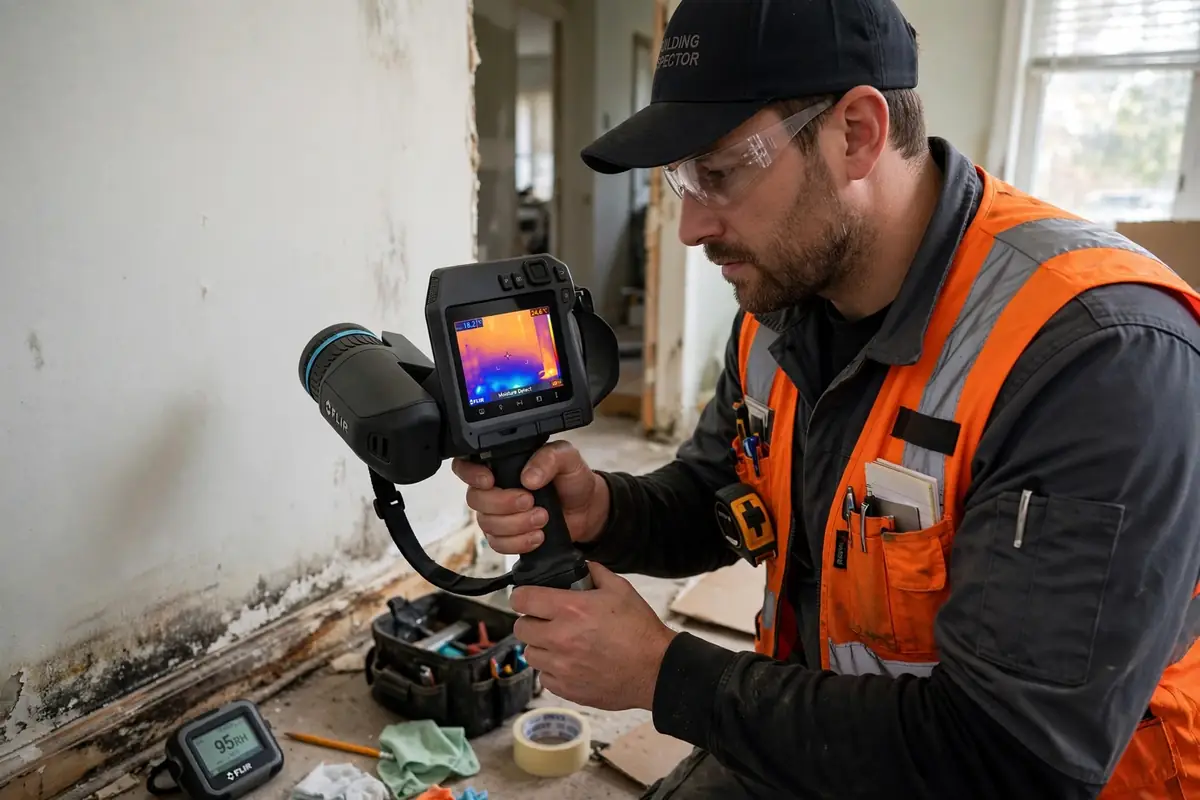
We determine the water category and class, locate all affected areas with moisture meters and thermal imaging, and build a written restoration plan with a clear estimate.
2. Water Extraction
Submersible pumps and truck-mounted extractors remove standing water. The faster this happens, the less damage spreads — which is why we dispatch 24/7.
3. Drying and Dehumidification
Commercial air movers and dehumidifiers run for several days, with daily moisture readings logged until every material reaches its dry standard.
4. Cleaning and Sanitizing
All affected surfaces are cleaned, sanitized, and deodorized. Salvageable contents are treated and moved out of harm's way.
5. Mold Prevention
Antimicrobial treatments and controlled drying conditions keep mold from gaining a foothold during the restoration process.
6. Restoration and Repairs
Damaged drywall, flooring, insulation, and finishes are repaired or replaced, followed by a final walkthrough so you can confirm the result.
The Science
Why Professional Drying Matters
Surface water is the easy part. The real challenge in water damage restoration is the moisture you cannot see — soaked into drywall cavities, trapped under flooring, and absorbed by framing lumber. A household fan and an open window will not touch it. Unaddressed, that trapped moisture warps wood, breaks down adhesives, corrodes fasteners, and creates ideal conditions for mold growth.
Our technicians use penetrating and non-penetrating moisture meters to establish baseline readings, then track drying progress against established dry standards for each material. Commercial low-grain refrigerant dehumidifiers pull moisture from the air far faster than consumer units, while high-velocity air movers direct airflow across wet surfaces to accelerate evaporation. In Illinois, where humid summers can slow natural drying, this controlled approach is the difference between a property that is truly dry and one that develops problems months later.
Act Fast
Why Fast Response Matters in Illinois
In Illinois homes, a water loss rarely stays contained. Finished basements — the norm across Chicago suburbs like Naperville, Schaumburg, and Elgin — wick water into carpet, padding, and wall cavities within hours. Freeze-thaw burst pipes, the state's signature winter disaster, can pump water for an entire workday before anyone comes home to find it. And when combined sewers back up during heavy rain, the resulting black water requires immediate professional containment.
The timeline is unforgiving: within the first day, water spreads and staining begins. By 48 hours, mold can take hold in damp drywall and carpet. After a week, wood components swell and warp, and odors set in. Calling (773) 200-3228 right away — even at 2 a.m. — is the single most effective way to limit damage and keep restoration costs down.
Common Questions
Water Damage Restoration FAQs
What should I do first when I discover water damage?
First, make sure you are safe: do not enter standing water where electricity may be live, and shut off the water source if you can do so safely. Then call us — we will guide you over the phone while a crew is dispatched. If it is safe, move valuables and furniture out of the water and take photos for your insurance records.
Can you save my carpet and belongings?
Often, yes — especially with clean water and a fast response. With gray or black water, porous materials like carpet padding generally must be discarded for health reasons. We evaluate every item individually, treat and protect what can be saved, and document everything for your insurance claim.
Do I need to leave my home during restoration?
Usually not. Most residential jobs let you stay in the home while we work, though drying equipment is noisy and we may section off affected areas. For sewage contamination or extensive mold, we may recommend staying elsewhere until sanitization is complete — we will always tell you honestly what is safest.
Will you work with my insurance company?
Yes. We provide detailed documentation — moisture readings, photos, and line-item reports — formatted the way adjusters expect. We can communicate with your adjuster directly and answer questions about the scope of work to help your claim move forward.
How do I know the property is really dry?
We do not guess. Moisture meters take readings of affected materials daily, and drying continues until every surface reaches its verified dry standard. You receive documentation of the readings, and we do a final walkthrough with you before equipment is removed.
Need Water Damage Restoration? We Are Ready
24/7 emergency dispatch across Illinois. One call starts your restoration.
Call (773) 200-3228