Published · Last updated · Rapid Water Damage Restoration Illinois
When floodwater swept through Chicago's west side in July 2023, the scale of loss was staggering: at least $500 million in damages, more than 70,000 flooded basements, and a federal disaster declaration in August that sent tens of thousands of residents scrambling for assistance. In the aftermath, many Illinois homeowners discovered a painful truth — their standard homeowners policy did not cover flood damage, and the claims they did file lived or died on the quality of their documentation. Whether your loss comes from a burst pipe, a failed sump pump, or storm-driven rain, knowing how to file a water damage insurance claim correctly can be the difference between a fair payout and a costly denial. This guide walks you through the process in the order that gives your claim its best chance.
1. Before You Call: Mitigate First, File Second
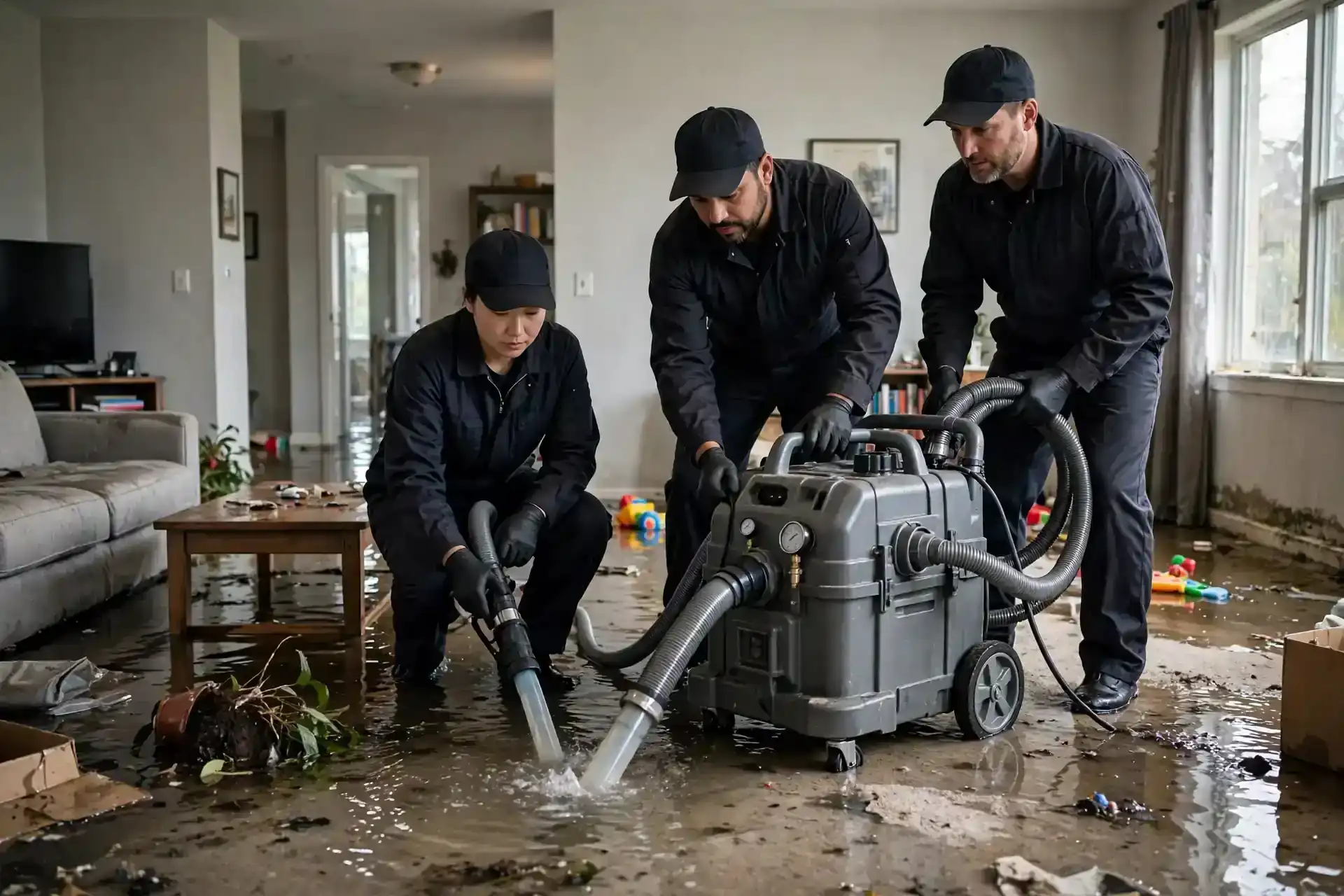
Your insurance policy almost certainly includes a duty to mitigate — meaning you're expected to take reasonable steps to prevent further damage once you discover the loss. In Illinois, adjusters look closely at whether the damage was "sudden and accidental" versus long-term neglect, and failing to act quickly can weaken your claim. If a pipe bursts, shut off the main water supply. If rainwater is pouring in, move valuables to dry ground. Then call a professional restoration company like Rapid Water Damage Restoration Illinois immediately — emergency water extraction and structural drying stop mold and secondary damage that insurers may argue you allowed to happen. Keep every receipt for emergency services and temporary repairs, because these mitigation costs are often reimbursable under your policy. The order matters: act first, document everything, then notify your insurer.
2. Document Everything as if the Adjuster Is Watching
The strength of a water damage insurance claim rests almost entirely on documentation. Before you move or throw away anything, photograph and video every affected area from multiple angles — wide shots showing the room, close-ups of damaged materials, and shots of water lines on walls that show how high the water reached. Take photos of the source of damage, whether it's a burst pipe, a failed sump pump, or a leaking appliance. Create a moisture log: note which rooms are wet, which materials are soaked (drywall, carpet, flooring), and record dates and times. A room-by-room inventory of damaged belongings matters too — list items, approximate purchase dates, and replacement costs. If you must discard soaked porous materials for health reasons, photograph them first and keep small samples when practical. Store everything in one folder, digital or physical, because the adjuster will ask for it.
3. Read Your Policy Before You Report the Loss
Filing a water damage insurance claim without understanding your coverage is a common and costly mistake. Pull out your policy and look for these specifics: most standard homeowners policies cover sudden and accidental water damage — burst pipes, appliance failures, sudden roof leaks — but exclude damage from gradual leaks you failed to address, and virtually all standard policies exclude flooding from rising water. Sewage backup typically requires a separate endorsement, so check whether you carry one. Note your deductible, your coverage limits, and any special limits on personal property. Also look for loss-of-use coverage, which can pay for temporary housing if your home is uninhabitable. Understanding what's covered before you call lets you describe the loss accurately and avoids giving the insurer a reason to categorize your claim under an exclusion.
4. File the Claim in the Right Order
Call your insurer's claims department as soon as mitigation is underway — most policies require prompt notice, and delays can be held against you. Describe the loss simply and factually: what happened, when you discovered it, what you did to stop further damage, and which areas are affected. Avoid speculating about causes or admitting anything about prior conditions. Get a claim number and the name and contact information of your assigned adjuster, and keep a written log of every call and email from this point forward. Ask the insurer what documentation they need and what the expected timeline is. Then schedule the adjuster's inspection. You do not have to accept the first appointment slot if it conflicts with having your documentation and contractor estimates ready — but don't delay unreasonably, since promptness works in your favor.
5. Working With the Insurance Adjuster
The adjuster who visits your home is there to evaluate the scope of damage on behalf of the insurance company. Be courteous and cooperative, but remember that their assessment is not final. Walk them through your documentation — photos, moisture log, inventory, and receipts for mitigation work. Point out damage they might overlook, such as water trapped behind baseboards or wicking up drywall. Get at least one independent estimate from a reputable restoration contractor, because the adjuster's initial scope may underestimate the true cost of proper drying, demolition, and rebuild. In Illinois, you generally have the right to choose your own contractor; you are not obligated to use one the insurer recommends. If the adjuster's offer seems low, ask for the full written breakdown of their estimate so you can compare line items against your contractor's assessment.
6. If Your Claim Is Denied or the Offer Is Too Low
A denial is not the end of the road. First, request the denial in writing and ask the insurer to cite the specific policy language and exclusions they're relying on — many disputes turn on how a clause is interpreted. Gather any additional evidence that addresses their reasoning, and file a formal appeal with the insurer, asking for a supervisor or second adjuster to review the file. Consider hiring an independent public adjuster for large or complex claims; they work for you, not the insurer, and typically charge a percentage of the recovered amount. If you believe the insurer is acting unfairly or unreasonably, you can file a complaint with the Illinois Department of Insurance. The department provides an online consumer complaint form, the insurer is given 21 days to respond, and an analyst investigates — a process that typically takes four to six weeks. Keep copies of everything you submit.
How do I know if water damage is covered by my homeowners insurance? Sudden, accidental events — a burst pipe, a washing machine supply line failure, a sudden roof leak during a storm — are typically covered. Gradual damage from a long-term leak, flood from rising water, and sewage backup (without an endorsement) are typically not. When in doubt, check your policy's exclusions section before filing.
Should I clean up water damage before the adjuster arrives? Yes — you should begin mitigation immediately, because your policy requires you to prevent further damage. Document thoroughly with photos and video before you move or discard anything, and keep samples of damaged materials when practical. Waiting for the adjuster while water sits can lead to mold and larger losses that the insurer may not cover.
How long do I have to file a water damage insurance claim in Illinois? Most policies require prompt or timely notice of a loss, though the exact deadline varies by policy. The safest practice is to notify your insurer as soon as possible after discovering the damage. Check your policy's "duties after a loss" section for the specific requirements that apply to you.
Can a water damage restoration company help with my insurance claim? A professional restoration company documents moisture readings, damage scope, and drying logs as part of its standard process — records that strengthen your claim. At Rapid Water Damage Restoration Illinois, we work directly with adjusters, provide detailed estimates, and help you present a complete, well-documented claim.
What should I do if the insurance company's offer is too low? Ask for the adjuster's written estimate and compare it line by line with an independent contractor's assessment. Document any missed damage, request a re-inspection, and if the gap can't be bridged, consider a public adjuster or file a complaint with the Illinois Department of Insurance.
If you're dealing with water damage right now, don't wait — fast action protects both your home and your claim. Call Rapid Water Damage Restoration Illinois at (773) 200-3228 for 24/7 emergency water damage response anywhere in Illinois. We'll extract the water, dry your home properly, and document everything your insurance claim needs to succeed.