Published · Last updated · Rapid Water Damage Restoration Illinois
Every Illinois winter delivers at least a few stretches of brutal cold, and the ones we remember are the ones that broke pipes. In January 2014, a polar vortex collapse sent Chicago's temperature to 16 degrees below zero — a record low — with wind chills in northern Illinois dropping as far as 50 below. Five years later, January 2019 delivered another gut punch: Chicago hit 23 below zero while wind chills across parts of the state approached 57 below. Restoration crews worked around the clock as frozen pipes split open and flooded homes, businesses, and rental properties. Frozen pipe burst prevention isn't complicated, but it does demand that you act before the cold arrives. Here's the complete Illinois homeowner's playbook.
The Polar Vortex Lesson: Why Illinois Pipes Are Vulnerable
When the polar vortex weakens or collapses, Arctic air spills southward and northern Illinois takes the direct hit. During the January 2014 event, Chicago recorded its coldest temperature on record — minus 16 degrees — breaking a record that had stood since the 1880s. In January 2019, it happened again: minus 23 degrees in Chicago, with dangerously low wind chills across the state. These extreme events expose every weakness in a home's plumbing defenses. Pipes running through exterior walls, unheated crawl spaces, garages, attics, and along foundations are the first to freeze, and homes with marginal insulation or drafts that were "good enough" in a normal winter suddenly weren't. The lesson from both vortexes is the same: prepare for the worst winter, not the average one. Water expands as it freezes, and the pressure buildup can split even copper and PEX lines, releasing hundreds of gallons per hour once the ice thaws.
Your Fall Checklist: Get Ready Before the First Freeze
Start your frozen pipe burst prevention work in the fall, well before the first hard freeze. Insulate exposed pipes in unheated areas — foam pipe sleeves or heat tape work well for lines in crawl spaces, attics, garages, and along exterior walls. Seal air leaks where cold air blows in: caulk or foam around where pipes enter exterior walls, close foundation vents for the season, and weatherstrip doors to attached garages. Disconnect, drain, and store garden hoses, then shut off the interior valve to outdoor hose bibs and let the exterior faucet drain completely — a frozen hose bib can send ice back into the pipe inside your wall. Locate your main water shutoff valve now, while everything is calm, and make sure every adult in the household knows where it is and how to turn it. Label it. In a burst-pipe emergency, seconds matter.
When Deep Cold Arrives: Your Active Defense Plan
When forecasters warn of subzero temperatures — especially the multi-day Arctic outbreaks Illinois gets — switch from preparation to active defense. Keep your thermostat set to at least 55 degrees, even when you're away from home for the weekend; the heating bill is nothing compared to a flood. Open the cabinet doors under kitchen and bathroom sinks so warm room air can reach pipes along exterior walls. Let faucets served by vulnerable pipes drip slowly during the worst cold — moving water is harder to freeze, and even a small trickle relieves pressure. If your garage contains plumbing, keep the garage door closed and consider insulating the walls of an attached garage. For homes with crawl spaces, close vents and consider a temporary heat source rated for the space. And during extreme events like the 2019 vortex, check on vacant or elderly neighbors' homes if you can — unheated houses freeze fastest.
The Moment You Suspect a Pipe Is Frozen: Act Fast
The warning signs of a frozen pipe are specific: you turn on a faucet and only a trickle comes out, or nothing at all; a pipe shows a frosty or sweaty section; or there's an odd smell from a drain when a pipe behind it has frozen. If you spot these signs, act immediately. First, open the faucet served by the suspected pipe — this relieves pressure and lets water flow once thawing begins. Keep the faucet open as you work. Apply gentle heat to the frozen section: a hair dryer moved back and forth, an electric heating pad wrapped around the pipe, or warm towels soaked in hot water. Start thawing near the faucet and work back toward the coldest section. Never use a blowtorch, kerosene heater, or any open flame — the fire risk is severe, and sudden extreme heat can crack the pipe. If you can't locate the frozen section, if pipes are inaccessible inside walls, or if you suspect multiple lines are frozen, call Rapid Water Damage Restoration Illinois at (773) 200-3228 right away.
If a Pipe Bursts: Your Emergency Sequence
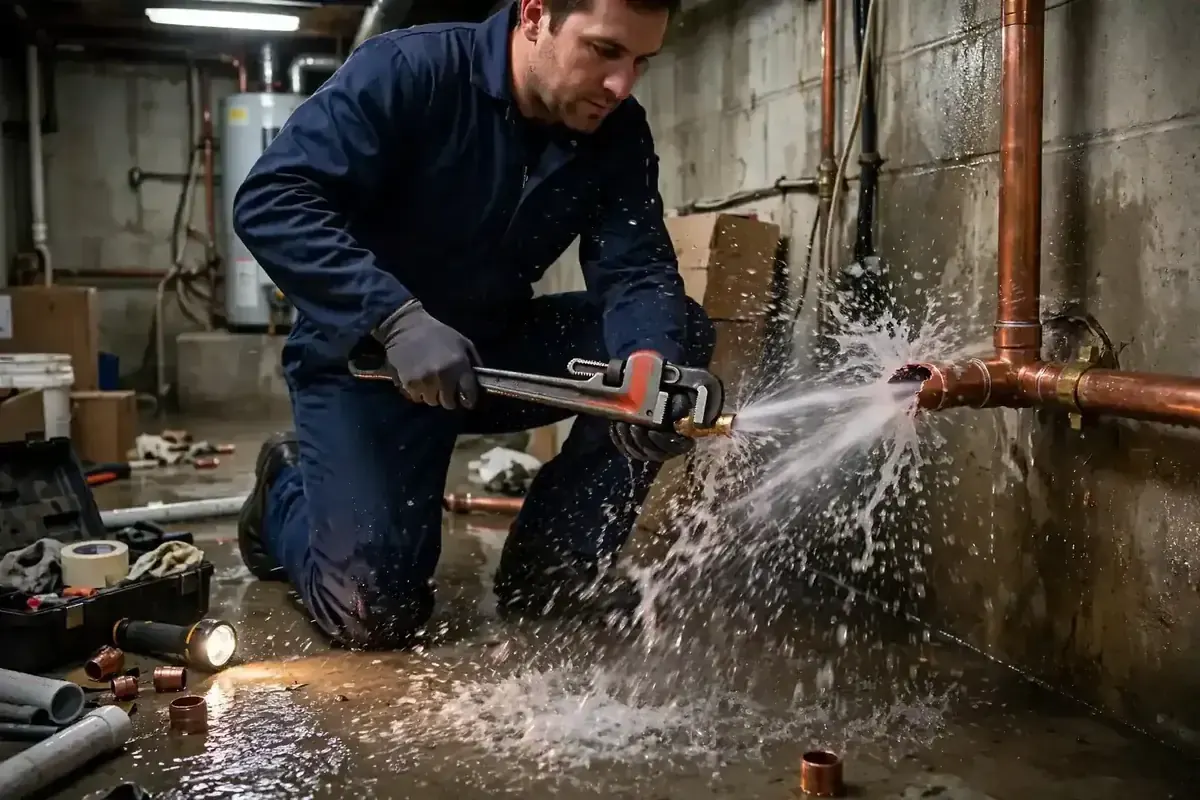
Sometimes prevention arrives too late. If a pipe bursts, follow this sequence: first, shut off your main water supply immediately — this stops the flow and limits damage to whatever has already escaped. Second, if water is near electrical outlets, your panel, or appliances, turn off electricity to the affected areas and don't wade through standing water. Third, call a plumber to repair the burst pipe, and call Rapid Water Damage Restoration Illinois at (773) 200-3228 for emergency water extraction and structural drying. Water spreads fast — it wicks up drywall, soaks insulation, and can compromise subflooring within hours. Document everything with photos for your insurance claim, since burst pipes are typically covered as sudden and accidental losses under most homeowners policies. Do not delay drying: mold can begin growing on damp materials within a day or two.
Special Attention: Vacant Homes and Vacation Properties
Illinois has no shortage of second homes, rental properties, and houses sitting empty between moves — and these are the properties that freeze most often. If you'll be away during winter, either maintain heat at a minimum of 55 degrees or fully winterize the plumbing by shutting off the water and draining the system, including the water heater and toilet tanks. Have someone check on the property during extreme cold snaps, and consider installing a low-temperature alarm that alerts your phone if the house drops below a set point. Smart thermostats with remote monitoring are inexpensive insurance against coming home to a flooded house in February.
At what temperature do pipes start to freeze? Pipes generally become vulnerable when temperatures stay well below freezing for an extended period, and risk climbs sharply during multi-day stretches in the teens or lower. Wind, drafts, poor insulation, and unheated spaces can cause freezing even when it's not historically cold — which is why the 2014 and 2019 vortexes caught so many Illinois homes off guard.
Should I let my faucets drip during a cold snap? Yes, during extreme cold, letting faucets served by vulnerable pipes drip slowly is one of the simplest and most effective defenses. Moving water resists freezing, and even a trickle relieves the pressure buildup that actually causes pipes to burst.
Does homeowners insurance cover burst pipes? In most cases, yes — a burst pipe is a sudden, accidental loss, which is the kind of event homeowners policies are designed to cover. The water damage from the burst is typically covered; the cost of replacing the pipe section itself may not be. Review your policy and document everything.
Which pipes are most likely to freeze? Pipes in exterior walls, unheated crawl spaces, attics, and garages freeze first. Outdoor hose bibs and pipes along cold foundations are also high risk. Any section of pipe exposed to drafts — where it enters the house through a wall, for example — is a weak point.
Don't let an Illinois winter catch your plumbing unprepared. If you have frozen or burst pipes right now — or want help winterizing before the next polar vortex — call Rapid Water Damage Restoration Illinois at (773) 200-3228. We're available 24/7 for emergency pipe-burst response across Illinois, with fast water extraction, professional drying, and full restoration.